Commercial season reset cleaning
The busy season leaves grease, carbon, smoke-residue sources and production buildup on equipment you could not release in July. Use the shoulder season to clean compatible surfaces and assets while traffic is lower — before fall and winter operations, inspections, reopening or your next shutdown.
Dry ice blasting is a mechanical cleaning or pre-cleaning method for compatible surfaces. It is not a sanitizing step and does not by itself satisfy food-code or inspection requirements.
Why the shoulder season is the window
During peak months, the assets that most need attention are the ones you cannot take offline: the hood system over the cook line, the packaging line running six days a week, the trailers turning every day. Buildup accumulates precisely where access is hardest.
Once traffic drops, that changes. A weekly closure day, a seasonal shutdown, a slow fortnight between the summer and winter seasons — each is enough to release equipment, work a defined scope, and hand it back before demand picks up again.
Dry ice blasting suits this window because it uses no process water and adds no spent blast media: the pellets sublimate to CO₂ gas, so the material left to collect is the dislodged contaminant itself. Whether that works on your equipment depends on the substrate, the coating and the contaminant, which is what the site review establishes.

Who a season reset is built for
Commercial operators with equipment-heavy sites and a genuine low-traffic window. What we can clean is determined per surface and per contaminant, not per industry.
Restaurants & commercial kitchens
Hood interiors, plenums, fan housings, fryer banks, oven exteriors, cook-line structure and back-of-house surfaces where summer grease and carbon have layered up.
Hotels, resorts & lodges
Banquet kitchens, multiple outlets and shared exhaust systems, worked around the drop in occupancy between the summer and winter seasons.
Breweries, distilleries & wineries
Production-area equipment exteriors, tank skirts, packaging lines and structure after the summer push, ahead of the next production cycle.
Food production plants
Equipment exteriors, frames, conveyor structure and non-contact areas as a pre-cleaning step ahead of your own sanitation SOP.
Grocery & retail
Bakery and deli equipment, back rooms, refrigeration coils and dock areas during low-traffic periods.
Casinos & event venues
Kitchen exhaust systems, back-of-house equipment and service areas scheduled around the event calendar.
Property managers & multi-site owners
Portfolio-level scopes across several buildings or tenants, bundled into one routed visit where the sites are close enough.
Manufacturers & fleet shops
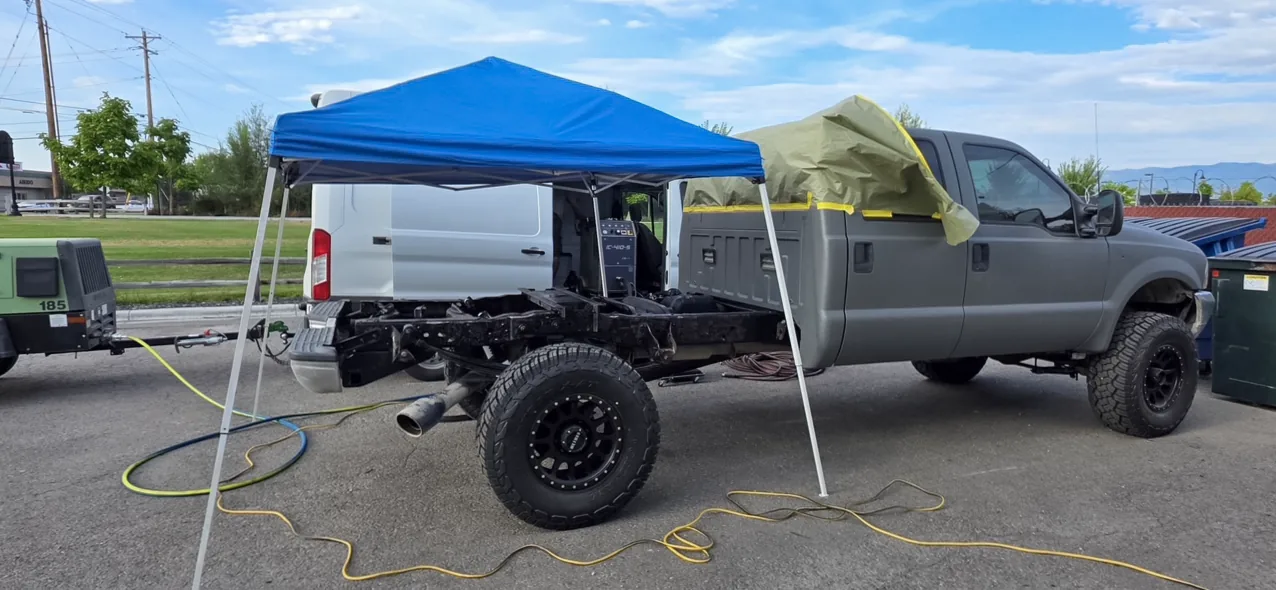
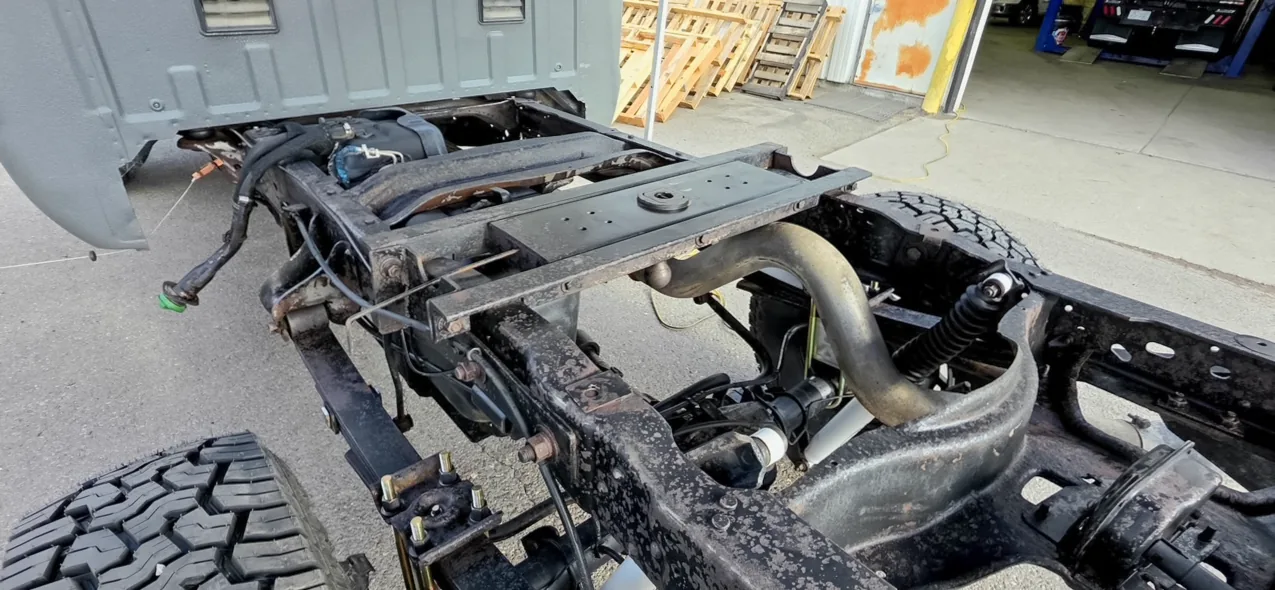
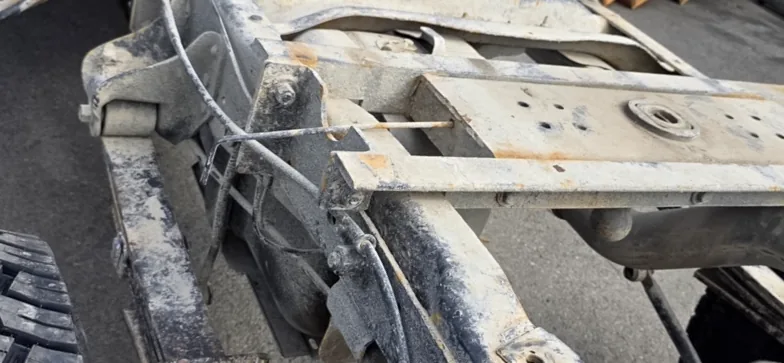
Production equipment, tooling frames, weld cells, shop structure, trailers, chassis and heavy equipment before winter operations begin.
How the reset runs
Send the job details
Business type, location, how many kitchens, assets or sites, the substrate, the contaminant and photos or video. Uploads are stored privately.
Site review and compatibility check
We confirm whether dry ice blasting suits your surfaces and contaminants, identify where a test patch is warranted, and flag ventilation, CO₂ monitoring, LOTO, PPE and containment requirements for your site.
Written scope and window
You get a written scope with inclusions, exclusions, site requirements and who owns containment and waste collection, matched to your closure or low-traffic window.
Decide one-time or 2027 program
Run it once this shoulder season, or turn it into a recurring 2027 program so the work is budgeted and routed in advance.
What this method does and does not do
- — It is a mechanical cleaning or pre-cleaning method for compatible surfaces. It is not sanitization, and it does not by itself demonstrate food-code compliance or guarantee that any inspection is passed.
- — Sanitization of food-contact surfaces remains under your facility's approved SOP.
- — Ventilation and CO₂ monitoring, LOTO and site rules, PPE, containment and collection of residual contaminant are job dependent and confirmed in the written scope.
- — Odor reduction depends on whether the residue acting as the odor source is on a reachable, compatible surface. It is not universal odor removal.
- — Electrical assets are handled case by case, de-energised under your program where applicable — there is no universal claim of electrical safety.
- — Suitability is confirmed by a site review and, where appropriate, a test patch. No downtime, waste-free, or damage-free outcome is promised in advance.
Where we can quote this
Coverage outside the Flathead Valley is project dependent. Whether we can quote and schedule a given site depends on project size, how many jobs we can route together, your available schedule window, dry ice (CO₂) supply near the site, and mobilization economics. Nothing on this page is a guarantee of coverage, response time or pricing.
Western Canada coverage is additionally subject to cross-border logistics and applicable entry, customs, insurance and work-authorisation requirements, on top of project size, route density, schedule, dry ice (CO₂) supply and mobilization economics. Nothing here is a guarantee of coverage, entry, response time or pricing.
Request a 2026 post-season site review
Tell us what needs cleaning and when you can release it. Use the same form to plan a shutdown cleaning window or to start a 2027 recurring program.
Season reset questions
What is a post-season or shoulder-season cleaning reset?
It is scheduled commercial cleaning work done after the busy summer season, while traffic is lower and equipment can be released. The point is access: you can take a hood system, a production line or a fleet asset out of service for a window without fighting peak demand.
Does dry ice blasting sanitize or make my kitchen food-code compliant?
No. Dry ice blasting is a mechanical cleaning or pre-cleaning method for compatible surfaces. It does not sanitize, and it does not by itself satisfy any food-code or inspection requirement. Sanitization of food-contact surfaces remains under your facility's approved SOP, run by your team or your sanitation contractor after our work.
Will it remove smoke odor from my building?
It can remove residue from compatible surfaces that act as odor sources, which often reduces odor. It is not a universal odor-removal method — porous materials, HVAC systems and hidden voids may hold residue that mechanical surface cleaning cannot reach, and those need a separate remediation approach.
Can you clean electrical equipment safely?
Not universally. Some electrical assets are suitable when they are de-energised under your LOTO program, dry, and cleared by your electrical authority; others are not. That determination happens on site, not from a photo.
Do I have to shut down?
It depends on the asset and the area. Some work can run overnight or between shifts; other scopes need equipment released, isolated or the area cleared. We do not promise no downtime — we scope the window with you.
Is there any waste to deal with?
The dry ice pellets sublimate to CO₂ gas and add no spent blast media. The dislodged contaminant still has to be contained and collected, and responsibility for containment and disposal is agreed in the written scope.
Will it damage my surfaces?
Suitability depends on the substrate, the coating and the contaminant. We confirm compatibility during the site review and, where appropriate, run a test patch on an inconspicuous area before proceeding.
What do you need from my site?
Typically access for a mobile rig and hoses, an agreed work window, and coordination on ventilation and CO₂ monitoring, LOTO and site rules, PPE, and containment. Exact requirements are job dependent and confirmed in writing.
Which areas can you quote for a season reset?
Kalispell, Montana is the operating base, and work is dispatched regionally across the Mountain West, Inland Northwest, Northern Plains and adjacent western Canada. Coverage for a given site is project dependent — it depends on project size, route density, schedule, dry ice supply and mobilization economics.
Can this become a recurring program?
Yes. Many facilities run the reset once, then move to a recurring cadence so the work is budgeted, scheduled and routed in advance. A 2027 program can be scoped at the same time as your 2026 reset.