
Fire & Smoke Restoration Cleaning — Kalispell & Flathead Valley
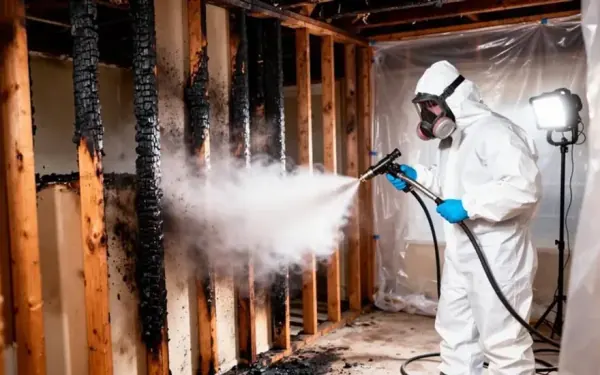
Summit Cryo is the mobile dry ice blasting crew that restoration contractors across Kalispell and the Flathead Valley call for fire and smoke damage cleanup. We work alongside your restoration GC as a B2B soot-removal subcontractor — low-abrasion cleaning of salvageable wood, steel, and masonry with scope based on substrate, contaminant, access and site controls.
Fire and smoke damage restoration in Kalispell and Northwest Montana runs on a tight clock — the faster soot is off framing, steel, and masonry, the better the salvage outcome and the lower the claim cost. Summit Cryo works as a specialty subcontractor to restoration GCs and adjusters at $275 per on-site hour with a 2-hour minimum inside 25 driving miles, with scheduling confirmed on enquiry based on crew availability and travel across the Flathead Valley.
Our service footprint covers Montana, Idaho, Washington, North Dakota, South Dakota, and Alberta, Canada — see the full Mountain West and Western Canada service area map for market coverage. July is peak wildfire season in Montana, so restoration timelines get compressed fast — see how dry ice blasting handles 2026 wildfire smoke and soot damage — and call early so we can hold response capacity for your loss.
For structural soot on wood, steel, and masonry, dry ice outperforms every water-, chemical-, or media-based alternative — read why dry ice beats soda blasting for soot before you spec the scope, and how to line-item dry ice soot removal in Xactimate when you write the estimate.
Surfaces, substrates, and equipment
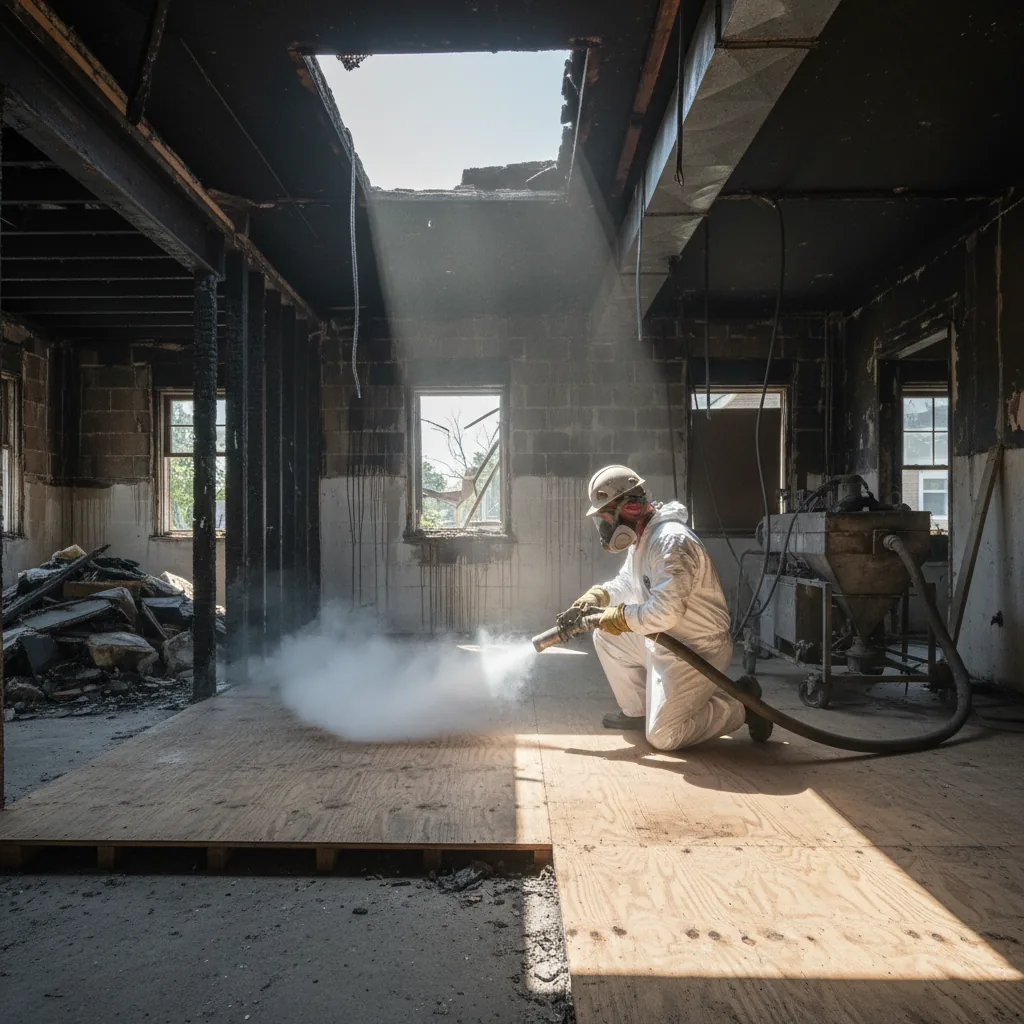
- Soot-damaged wood framing
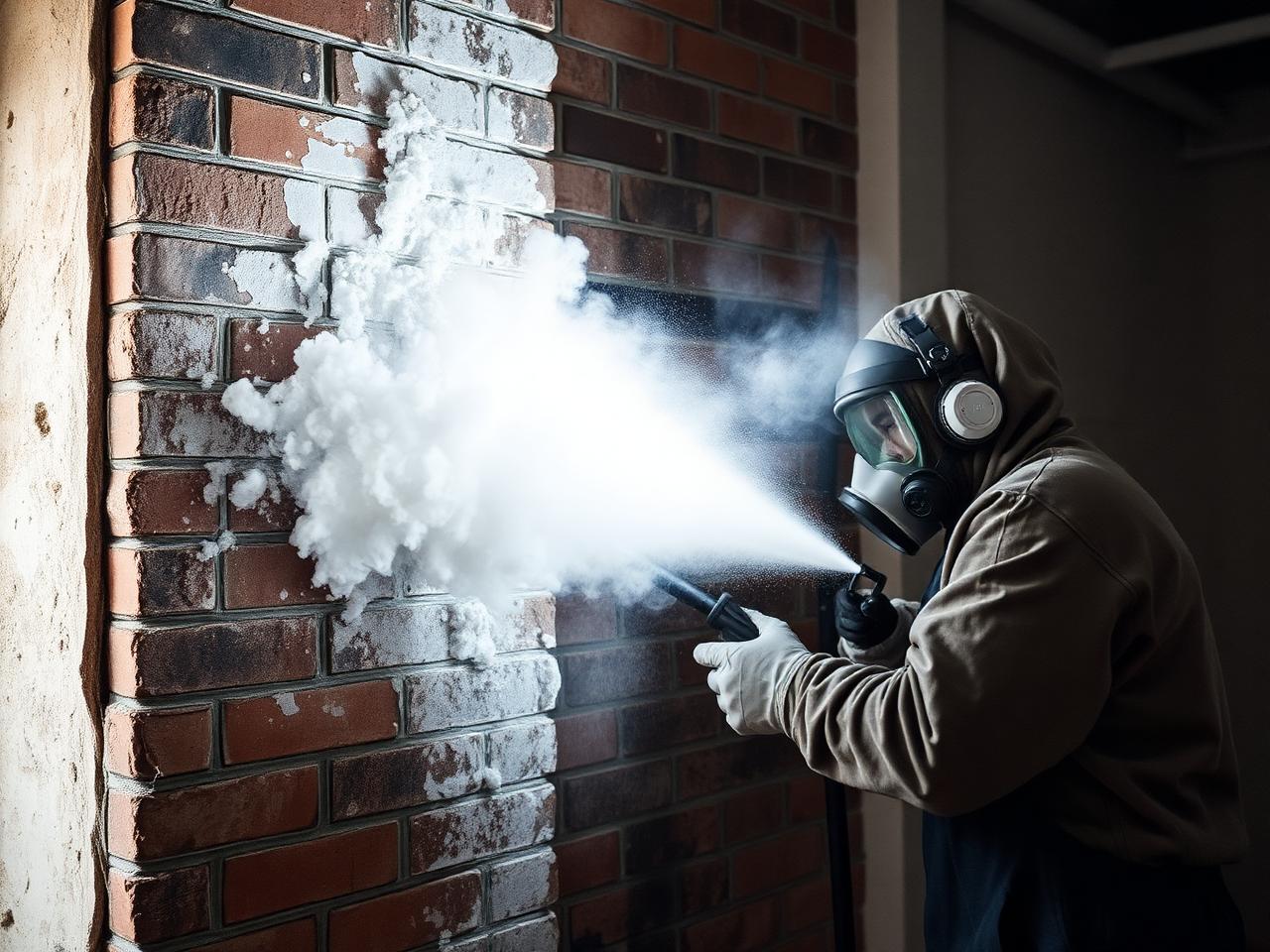
- Smoke-damaged masonry
- Fire-damaged equipment
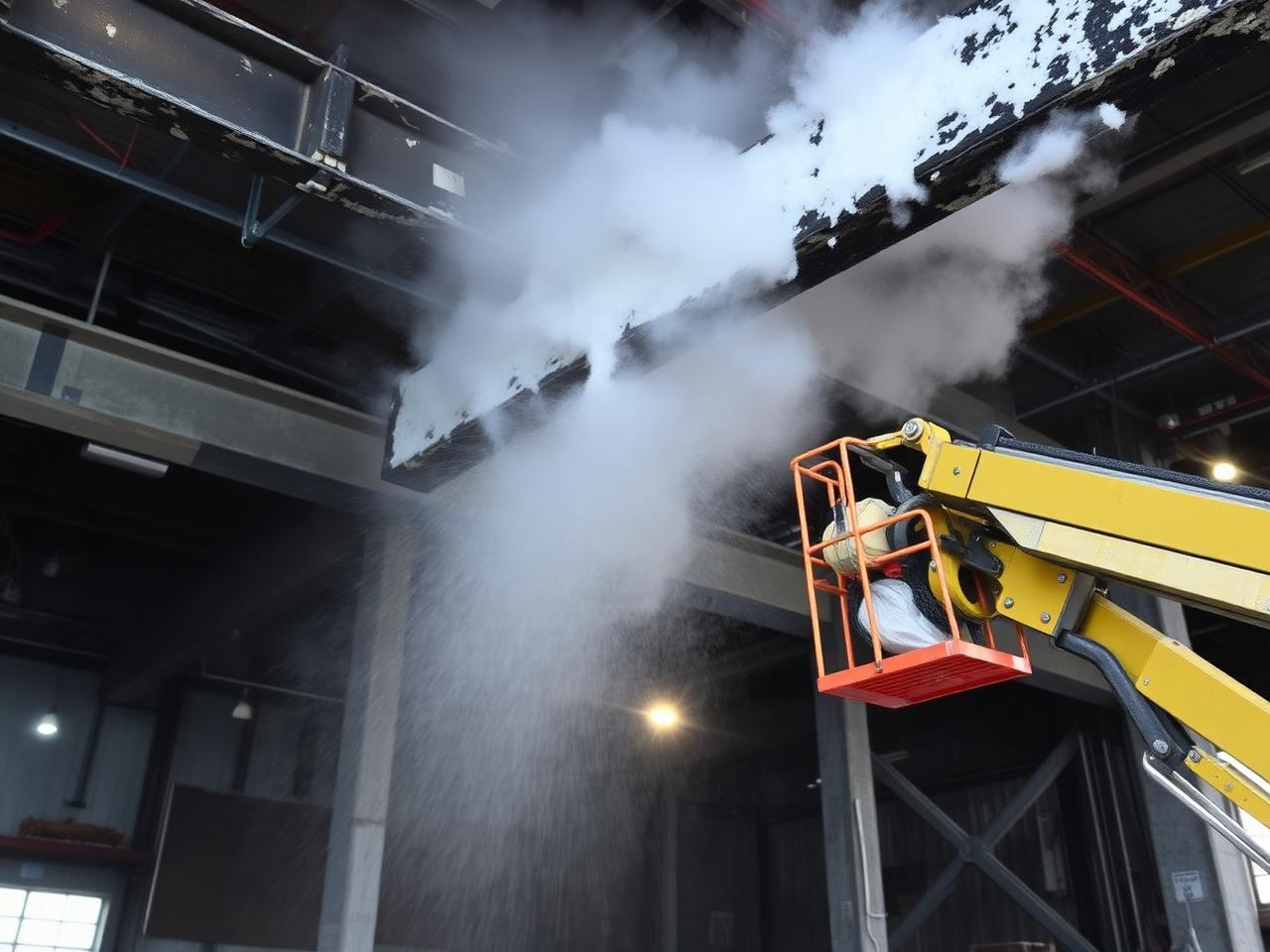
- Char on structural steel
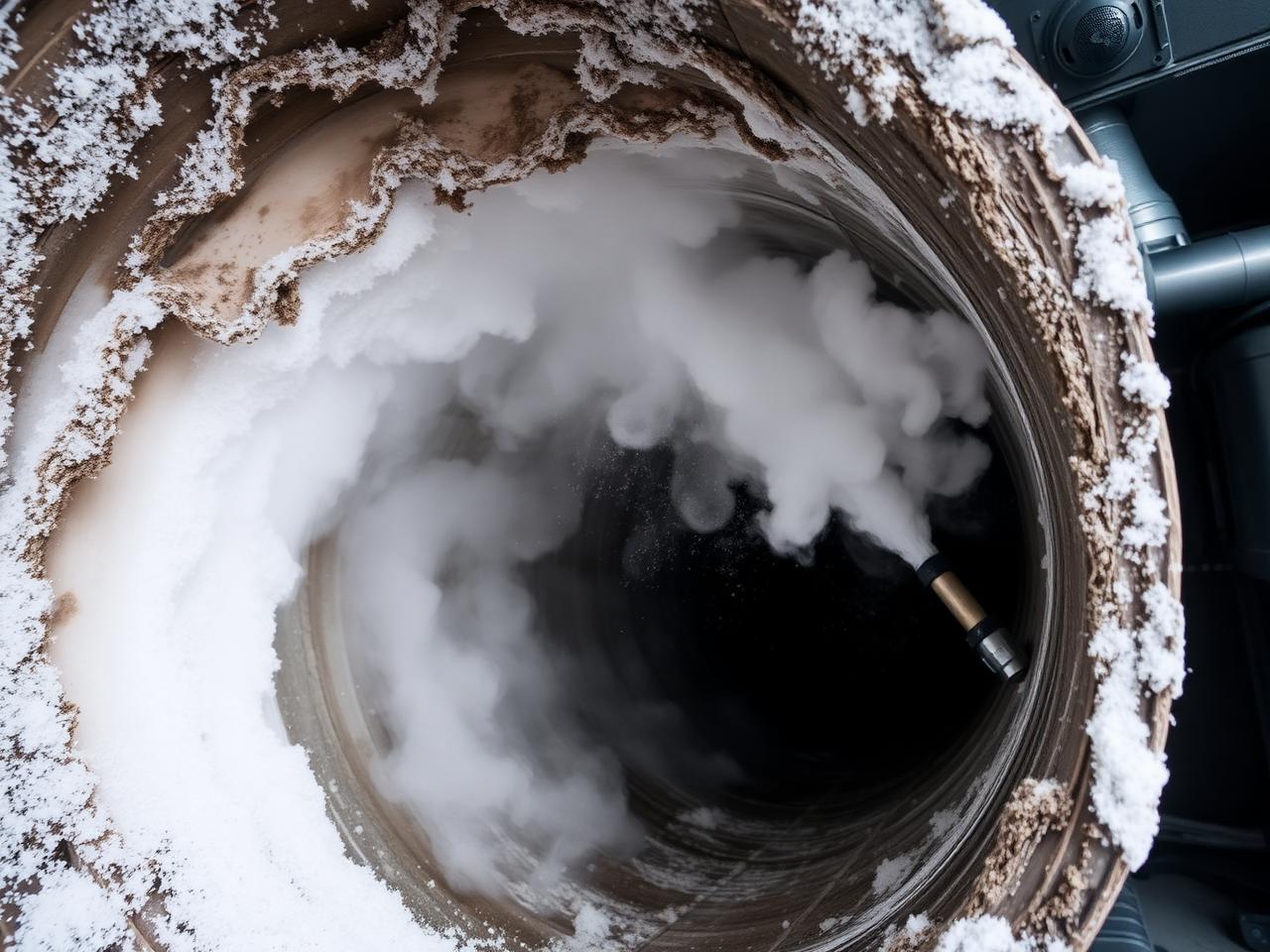
- HVAC and ductwork
Technical, not marketing
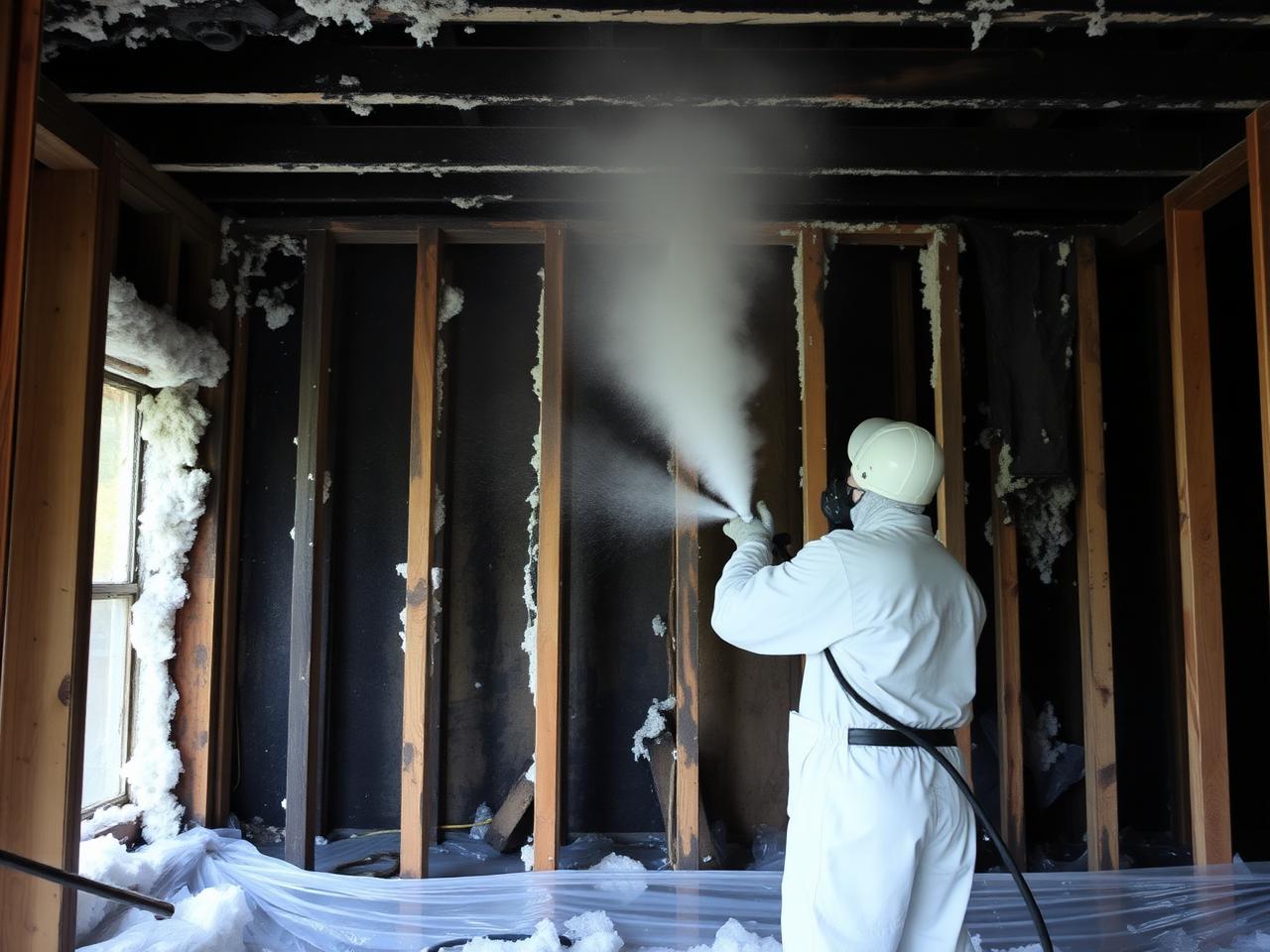
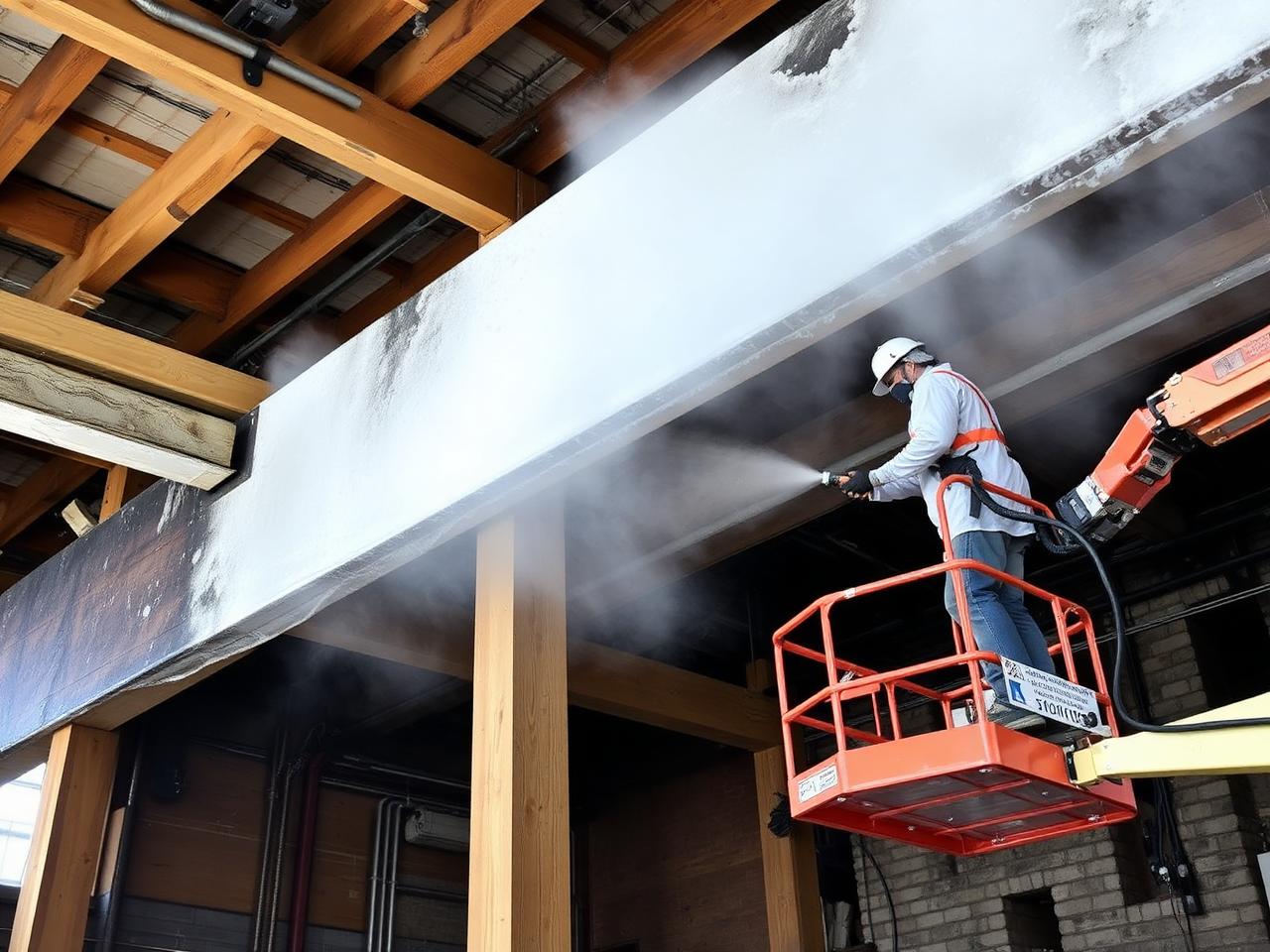
Restoration timelines are unforgiving. The faster soot is off the surface, the better the salvage outcome and the lower the claim cost. Dry ice blasting is the fastest, most documentation-friendly soot removal method available — it strips the soot layer from wood framing, brick, masonry, and structural steel without added process water (which drives soot deeper into porous materials) and without added cleaning chemicals (which complicate the IICRC documentation).
We work as a subcontractor to restoration GCs and partner with adjusters. Mobilization timing depends on crew availability and travel and is confirmed on enquiry; for losses inside our standing service area we typically aim for 24–48 hours. Crews work alongside your demo and content teams and leave a documented per-area record that drops directly into Xactimate or your job-management system.
We're not a retail restoration company — we don't compete with our restoration partners. We're a specialty subcontractor who shows up, executes the soot removal scope, documents it, and goes home.
Outcomes from real jobs
We walk the assets with you before quoting, then send a written scope so there is no ambiguity about what is and isn't included.
We run a test patch on the actual substrate before committing to the full job, so you can see the result before we proceed.
We work inside your maintenance window, subject to site access and ventilation requirements — not the other way around.
Every job closes with a photo record and a time log, so you have documentation on file for your own records.
Photos from Summit Cryo crews
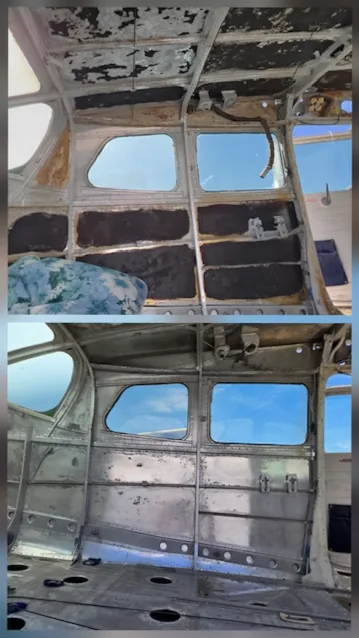
Aircraft cabin sidewall panels
How we use it — fire, smoke & restoration cleaning
 Application
 Application
 Application
 Application
 Application
 Application